Quick answer: A herpes support group is a space where people with herpes connect without shame, share their experience, and practice a new way of relating to the diagnosis. You can join our Herpes Opportunity Community for free anytime. If you’re looking for structured in-person options, check out local herpes support groups in your area. Support groups don’t fix herpes — they fix the story you’re telling yourself about herpes.
Why a herpes support group is worth your time
Here’s the thing most people don’t realize at diagnosis: the hardest part of herpes isn’t the skin rash. It’s the loneliness. It’s the feeling that you’re the only person in your life who knows about this, walking around carrying a secret, convinced no one would understand.
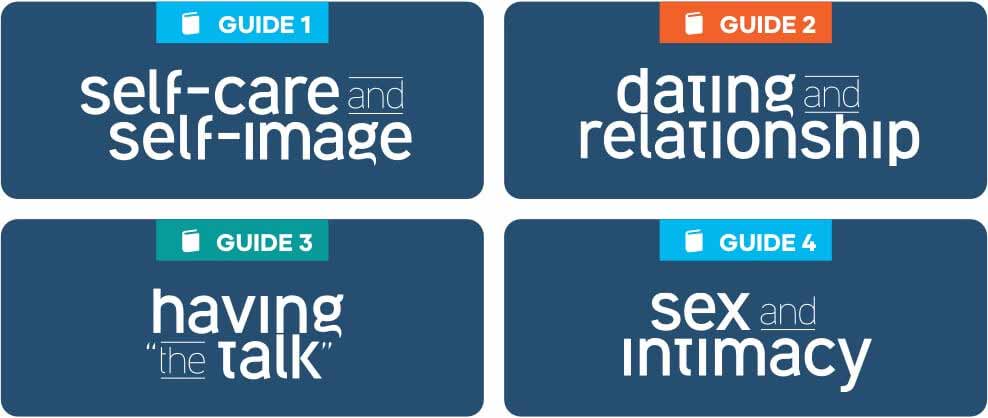
You are not alone. Not even close. One in six adults aged 14–49 in the US has genital herpes. Two-thirds of adults under 50 worldwide have oral HSV-1. You walked past a dozen people today who have herpes, and none of them looked like their life was over. If these numbers land differently when you actually sit with them, our free toolkit opens with this exact "are you really alone?" question and walks you through the prevalence picture in a way that tends to stick.

A support group does one essential thing: it puts you in a room (virtual or in-person) with other humans who get it. That shared understanding does something no amount of Googling or journaling can do. The weight of the secret lifts. The shame loses its grip. You stop being "a person with herpes" in your own head and start being a person who happens to also have herpes.
What actually happens in a herpes support group?
Every group is different, but here’s what makes ours work. The same principles apply to any group worth your time:
- It’s not about supporting the herpes. It’s about supporting the human. Herpes is the doorway, not the topic.
- We share experience, not stories. There’s a difference between "Here’s what happened to me" and "Here’s what I’m feeling right now about what happened to me." The first keeps you in victim mode. The second is where the real processing happens.
- We practice a new relationship with herpes. The group is a lab. You get to try on different thoughts, words, and beliefs and see how they feel when spoken out loud to people who won’t flinch.
- Crying is welcome. Tears can actually be part of how you get through this, not a sign that something’s wrong with you.
- Group agreements keep it safe. Confidentiality, no advice-giving unless asked, speak from your own experience ("I" language, not "you should"), no fixing.
You don’t have to speak on your first call. Just listening is enough. Some of the most important shifts happen in the silent listening phase, when you hear someone else say the exact thing you’ve been afraid to say, and you realize you’re not crazy, not broken, not alone.
Online herpes support groups vs. Local in-person groups
Both have their place. Depends on what you need and where you are in the journey.
Work through this one-on-one with a discovery coaching session.
- Online groups are easier to access (no geography), more anonymous (you can use a screen name, keep your camera off), and usually more frequent. Good for newly diagnosed folks who aren’t ready to be face-to-face yet. Our online community forum has been running for 15+ years with thousands of members.
- In-person groups carry more weight. There’s something about being in physical space with other people who get it that the internet can’t fully replicate. If you’re ready, it’s worth the step. Directory: local herpes support groups by city and state.
Plenty of people do both. Online is the training wheels; in-person is the bike ride. No rush either way.
What to expect the first time
Your first support group experience will probably feel awkward. Not because the group is awkward, but because you’ve spent days, weeks, or years not talking about this with anyone. Suddenly you’re in a space where everyone is talking about it openly. Your nervous system needs a minute to recalibrate.
A few things that help:
- Listen first. You don’t owe anyone your story on day one. Take a call or two to feel the vibe.
- Expect emotions you didn’t know you were carrying. Sometimes the first group brings up tears you’d been saving for years. That’s a good sign, not a bad one.
- Don’t compare journeys. Someone who’s been at this for five years isn’t further along than you. They’re just farther down a different path. You’re exactly where you need to be.
- Keep showing up. One call rarely changes everything. Three or four calls start to shift the weight. A few months in, you won’t recognize the person you were at your first call.
The bigger picture
Here’s what happens with consistent support: your relationship with herpes stops being about herpes. It becomes about you. Your worth. Your capacity to be vulnerable. Your ability to love and be loved as you are, not as some polished version of you.
That’s actually the opportunity in the Herpes Opportunity. The virus itself is a minor annoyance. The growth that happens when you decide to stop hiding from it is where the real life is.
Come join us. Or find a local group. Or just start a conversation with one trusted person. Any step counts. You’ve got this. :)
Frequently asked questions
Do I have to share personal details to join?+
Is this going to make me dwell on herpes?+
What if I just want factual info, not emotional support?+
Are support groups expensive?+
What if I cry on the call?+
Your next step
Wherever you are on your journey, there's something here for you.