A few pervasive questions come up around the herpes talk:
- When do you have the herpes talk? If you disclose too early, you basically self-sabotage; disclose too late and you're being manipulative and hiding.
- How do you disclose? From a place of connection and vulnerability, not from a shame-soaked, "I'm-worthless-and-you-know-it" place.
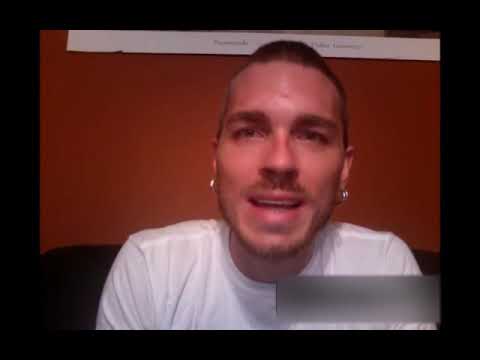
Enjoy this off-the-cuff riff that answers these questions and will give you some examples to help shift you into the Opportunity mindset.
(Fun fact: This is the first long-form riff video I ever recorded years ago, which then blossomed into what later became the Herpes Opportunity. Still diggin' those double pirate hoop earrings!)
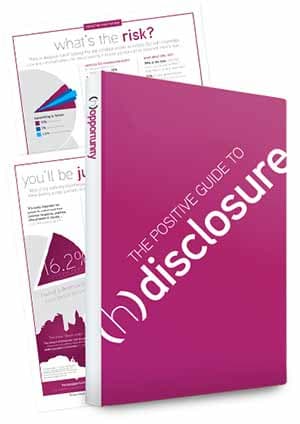
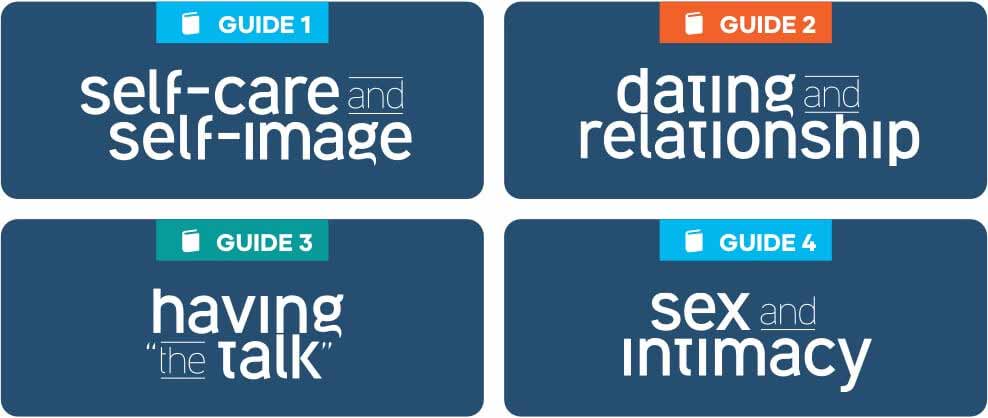
For more details on how to have "The Herpes Talk" from the Opportunity perspective, check out the free e-book & informational handouts.
Does it have to be so dreaded?
I’ve heard it talked about as “the dreaded herpes talk” but it doesn’t have to be so dreaded. Unless you make it dreaded, of course; it’s your decision. It really comes down to your own perception on what “the talk” is all about. If you convince yourself that the talk is bound to end in rejection, it’ll have that flavor; on the other hand, if you go into the talk dedicated to trust and authenticity, you can’t go wrong. This doesn’t necessarily mean that all the talks will end in flowers, rainbows and unicorns, but your personal values shine brightly. And the herpes talk actually has quite a good chance of bringing you closer together in the process. So a lot of it comes down to how you perceive the talk. Is it a dreaded rejection-maker or is it an opportunity to go deeper into relationship showing trust, authenticity and vulnerability?
One of the banes of herpes-havers isn’t necessarily that they have herpes. No, it’s that eventually they will have to tell a partner “Babe, I have herpes.” So when should you disclose that you have herpes? There’s the classic catch between disclosing too early or too late … if you disclose too early, there don’t even know you enough to make an informed decision; on the other hand, if you disclose too late into a relationship, they might feel manipulated into falling for you without this vital piece of information.
So that’s the catch. And here’s the solution.
Work through this one-on-one with a discovery coaching session.
I’ll make it sound super easy so you can apply it with super easy expectations. Deal? Disclose to your partner when you feel like you can trust them with your vulnerability. Disclose when you can authentically say something like this:
“I feel we’re developing a special closeness and trust. I'm really digging it. A big part of closeness to me means being authentic and vulnerable with each other. It’s super important to me that I tell you something that is pretty private to me. I have herpes. What do you know about it?”
Say it from a place of strength, not shame, because you are stronger than many to even consider bringing it up. It is something to be proud of. It’s an act of humanity and integrity. You have set yourself apart from many who choose to go into denial and/or not even disclose. Being transparent in a self-accepting way is confident, sexy and ultimately connecting.
Use this conversation not as a possible reason for disconnection, but maybe even a way to kick a relationship off with a solid foundation: with vulnerability and authenticity. And here’s something to try on: how about go into having the talk with some excitement? After all, the very fact that you’re having the talk signals that you care about this person enough to be truly vulnerable with them, to trust them with something very private about yourself. Just the fact that you’re willing to disclose to them says a lot about the potential you feel is in the relationship. (And remember, your dating pool is a lot bigger than you think.)
“Like many of you, I was devastated and honestly, never worried about the disclosure conversation because I decided to never have sex or date or be in love again. I stayed in this place for two years, ashamed and alone.”
But what about rejection?
Your experience of rejection starts in your head. What I mean by that is it is only rejection if your sexual identity is negatively tied to herpes. In disclosing, you are simply doing your part to be authentic with them, which is what any good relationship is built upon. Granted, disclosing in this way isn’t a magic pill to get everyone to say yes to relationship; there are still perfectly decent people who would rather not risk getting an STD. If so, don’t fault them for it. Understand that people have preferences. To some, yes, STDs are deal-breakers; to others it’s just an inherent risk that comes with all sexual activity (just like potential pregnancy!). To some, a low credit score or bad debt would be a deal-breaker, or having kids … to others, someone who is a risk-taker or eats with their mouth open is the ultimate deal-breaker … The point is, everyone has that checklist they run through when sizing up potential dates. To many people, the deep values inherent in disclosing that you have herpes will overshadow the negatives of the herpes itself. Be open to that being true for you and you'll disclose from more of a place of clarity and openness.
The 2 parts to the herpes talk
We as the herpes community have two parts to disclosing that we have herpes to potential partners. After we feel the time is right to disclose, the next part is how we disclose. Half of the disclosure we have complete control over. The other half we don’t.
Part 1: We say it
First, we disclose "I have herpes" (when the time is right and we trust this person with our vulnerability). How we disclose (how we say it, where it’s coming from, our own judgments about herpes, how we feel about ourselves with herpes, etc.) becomes paramount; it’s more important than the actual words we use. (Remember the idea that most of communication is nonverbal?) This is the part we have complete control over: how we disclose.
When we disclose, we aren’t only saying the words but also transmitting the emotions, feelings and judgments along with the words. Words are containers of feelings. If we feel utterly ashamed, it doesn’t matter which words we say, those words will feel shameful. So where are you with your own beliefs around herpes? Because those beliefs will be communicated whether you try to or not. (The free ebook on the herpes talk will help you dial in how to disclose.)
Part 2: They hear it
How the other person will react is on them. We have no control over that. There is a lot that goes into how someone will respond when you tell them that you have herpes, no matter how cleanly and clearly you communicate it to them. Many factors come into play just under the surface: Their own views on herpes, their priorities in relationships, their own judgments, etc. will color how they see your disclosure. Most of this has nothing whatsoever to do with you as a person. It’s simply their own relationship, assumptions and beliefs regarding this thing called herpes. (Now, if the relationship wasn't a good fit to begin with, it can also help to filter out those who weren't supposed to be in your life anyway.)
The preference
Most of us in the herpes community put so much weight into disclosing. Which is understandable, of course. It represents a very deep vulnerability that might be rejected. But ultimately, to accept or reject the risk of getting herpes is simply based on the other person's preference. Everyone has preferences surrounding who they choose to be in relationship with. (You do, too.) Some people would rather not date someone who is overweight/underweight, someone who smokes, someone who is messy, someone who has a crazy family, someone who has pets, or someone who has herpes (while other people are perfectly happy with any or all of these preferences for many different reasons). This simple re-frame takes all the sting out of it being such a personal thing and puts it into a more realistic perspective. To some people, herpes is not even on their radar screen; to others, it’s a deal-breaker. But ultimately, success about being accepted or rejected; it's about you growing your courage and integrity, regardless of the outcome of the talk.
Disclosure and shame
Scenario: You meet someone. You really like this someone. Definite connection. Definite mojo. The time for the herpes talk is here. What is this time like for you? What feelings come up? Fear? Shame? Guilt? Avoidance? Those are all common reactions, but let’s dig deeper as to why these might be showing up …
Are disclosing and shame inextricably linked?
It seems that the disclosure itself brings up a lot of feelings of shame. But what is it that you’re actually ashamed of? Is it the shame of revealing your imperfections, the shame of herpes stigma? What else does herpes disclosure mean to you? Does it mean that you’re “admitting” to something that is embarrassing, dirty, stigmatizing? Has the act of disclosing become synonymous with the stigma of herpes itself?
Time for the reframe: Another take on disclosure
Try looking through a different pair of glasses. Here, try these on for fit: The disclosure itself is the beautiful part. How is it beautiful, you ask? Because it’s you in your vulnerability, your rawness, your humanity; it’s not the herpes, not the stigma. Don’t lump those together. You haven’t magically become the herpes itself. Disclosure is you acting on and showing your deeper qualities, which might just shed some much-needed light on the dark herpes shadow. Disclosing is declaring “I care. I want to be honest, authentic, open with you. I trust you.” If you’ve convinced yourself that herpes is the poison, then disclosure is the antidote. If herpes is the lie about you, then disclosure is the truth about you. If herpes is the part you don’t have control over, disclosure is the part you do. Disclosure takes your power back and shows your true colors.
If you feel ashamed when disclosing, ask yourself … “Am I ashamed of my honesty? Am I ashamed of my courage, my integrity, my authenticity, my strength, my belief in building a trusting foundation for a relationship?” There’s no shame in who you are (reminder #2: you aren't herpes). And the right person for you will most certainly recognize that ... and in turn, recognize You.
Not always easy, but always worth it
The possible responses from disclosing are varied, from outright rejection and wild judgment to unconditional acceptance and angels singing your courage and honesty – and everything in between. There are so many factors that go into a person’s beliefs around herpes (what Oprah says, what their parents and friends have said, the Old Testament, knowledge or lack thereof, Valtrex commercials, the list goes on and on). That’s why it’s helpful to remind yourself that there are two parts of a herpes disclosure: you and the other person. Your half you have control over; their half you don’t. And the more you can be cool with that fact (flex that serenity muscle!), the more you can accept whatever comes out of it. Disclosure isn’t always easy, but it’s an opportunity to flex those muscles of who you are becoming, who you truly are.
Consider this as an alternate definition of “courage.” Courage is feeling the fear, but allowing your integrity to lead.
Your next step
Wherever you are on your journey, there's something here for you.