Oral herpes (also known as fever blisters or cold sores, HSV-1) is generally thought to only show up on the lips, but studies have shown that passing oral herpes from mouth to genitals is easier than had been assumed. Women are more likely than men to get genital herpes from oral sex because of the simple makeup of a woman’s anatomy (more mucous membrane on vaginas, less on penises).
Men have less physical permeability (less genital mucous membranes), so are at less risk of getting herpes from oral sex. Since 80% of Americans aged 14-49 have oral herpes (fever blisters), then precautions should be taken. But herpes sores don’t always have to be present in order for transmission to occur because of asymptomatic viral shedding. The risk is clearly much higher if there is a visible outbreak with sores present, so oral sex should be completely avoided during those times.
According to the New York Times, “Up to 50 percent of new genital herpes infections are caused by HSV-1. The recurrence rate of genital HSV-1 is low, with on average one outbreak in the first year after acquiring infection and less than one outbreak a year thereafter.”
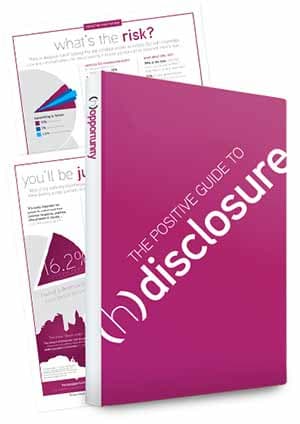
Also, it is rare to pass genital HSV-1 genitally to your partner during sexual activity, especially if they have a history of cold sores (which 80% of the population does). If they are a carrier of HSV-1, they already have antibodies developed that will help to protect them. And since HSV-1 prefers the oral region much more than the genitals, it's less likely to be passed that way. This also leads to much lower asymptomatic viral shedding than genital HSV-2. Check out the free fact sheets for all the details on viral shedding and other helpful quick facts.
What if I have genital HSV-1? Can I pass that on to my partner orally?
The answer is yes. But think about it: 80% of Americans already have oral HSV-1, so have your partner get a blood test to see if they carry antibodies for HSV-1. If they already have it, then no worries. And if they don’t have it, they are still running the same risk of getting oral HSV-1 by kissing any of the 80% of people out there who have cold sores. It’s the same strain of the virus, but in different locations, so whether someone gets HSV-1 from going down on someone or kissing someone, it’s the same thing. (This has brought up the question of disclosing oral herpes before kissing.)
What about if you have genital HSV-2? Can you pass that to your partner’s mouth so it becomes oral HSV-2?
Read this article for more on HSV-2.
Frequently asked questions
What is the genital HSV-1 transmission rate?+
Can a woman with genital HSV-1 transmit it to a male partner?+
What is the difference between genital HSV-1 and genital HSV-2?+
Can genital HSV-1 spread back to my mouth?+
Your next step
Wherever you are on your journey, there's something here for you.